

Introduction
In the bustling city of Los Angeles, disputes over property renovations and construction are not uncommon. In this case study, we delve into a scenario involving a flooring issue that escalated into a contentious disagreement between the homeowner and the contractor. Through meticulous investigation and professional expertise, we aim to shed light on the complexities of such disputes and offer insights into resolving them effectively.
 Background
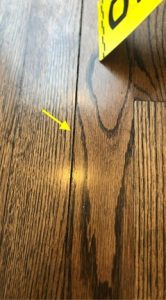
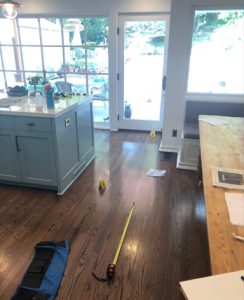
The case revolves around a property in Los Angeles where a homeowner undertook a renovation project that included installing hardwood flooring. A general contractor oversaw the flooring installation process. However, soon after the completion of the project, discrepancies arose regarding the quality of the flooring work. The homeowner expressed dissatisfaction with gaps and inconsistencies in the installed flooring, prompting them to seek recourse.
Investigation Findings:
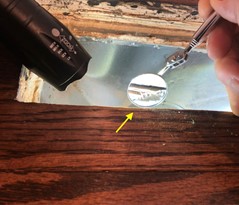
Upon the homeowner’s request, an independent flooring inspector named Jeff Meltzer was enlisted to assess the situation. Meltzer conducted a thorough inspection of the flooring and identified several issues, including inadequate nail spacing, gaps between floorboards, and suboptimal installation techniques. However, Meltzer concluded that the flooring did not warrant complete replacement but rather required remedial measures such as sanding, shimming, and filling gaps. Subsequently, the homeowner, unsatisfied with Meltzer’s findings, hired another inspector whose assessment recommended the complete removal of the flooring. This disagreement escalated the matter, leading to involvement from regulatory authorities such as the Contractor State License Board.
Proposed Solution:
In light of the conflicting inspection reports and escalating tensions, it became imperative to seek a resolution that addressed the concerns of all parties involved. Recognizing the importance of adhering to industry standards and preserving the integrity of the property, a collaborative approach was proposed.
The proposed solution entailed convening a mediation session involving both parties, along with neutral industry experts, to review the inspection findings comprehensively. Through open dialogue and objective evaluation, the aim was to reach a consensus on the necessary remedial actions required for the flooring.
Additionally, a commitment was made to engage reputable flooring professionals to execute the agreed-upon remediation plan, ensuring that the quality and longevity of the flooring were upheld to industry standards.
Conclusion:
The resolution of the flooring dispute underscores the significance of effective communication, collaboration, and adherence to industry standards in resolving construction-related disagreements. While disputes may arise during renovation projects, a commitment to impartial assessment and amicable resolution can mitigate the adversarial nature of such conflicts.
In this case, the collaborative efforts of all stakeholders, guided by professional expertise and a commitment to fairness, paved the way for a satisfactory resolution that addressed the concerns of the homeowner while upholding the integrity of the construction process. Ultimately, the successful resolution of the dispute serves as a testament to the importance of constructive dialogue and cooperation in navigating complex construction disputes.
www.flooringdetective.com

No comments yet.